
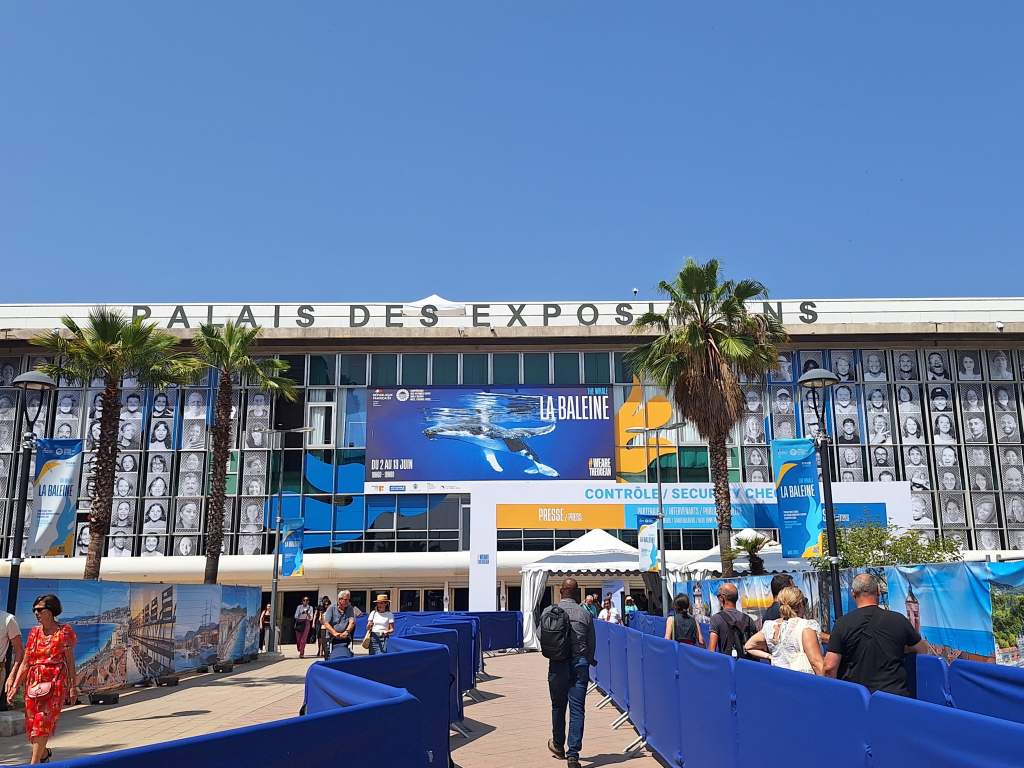
The UN’s 3rd Ocean Conference (UNOC3) took place from 9–13 June 2025 in Nice, France, drawing over 30,000 participants—including representatives from UN member states, stakeholders, and international organizations—to the sun-drenched Côte d’Azur for five days of high-level discussions on international ocean policy.
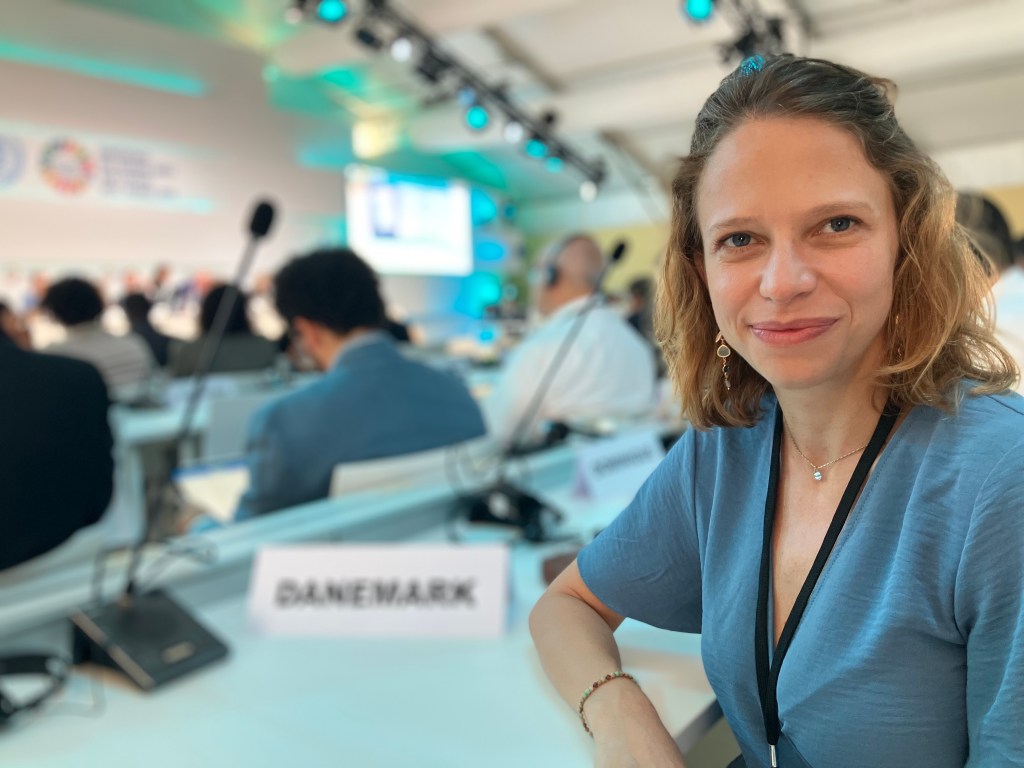
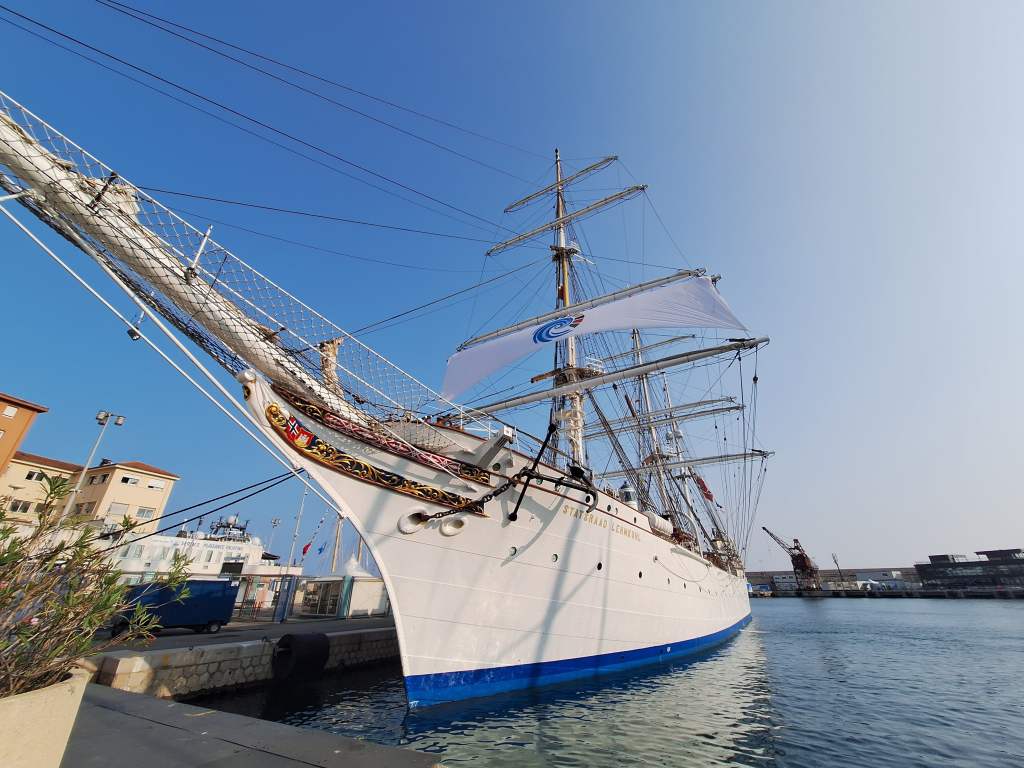
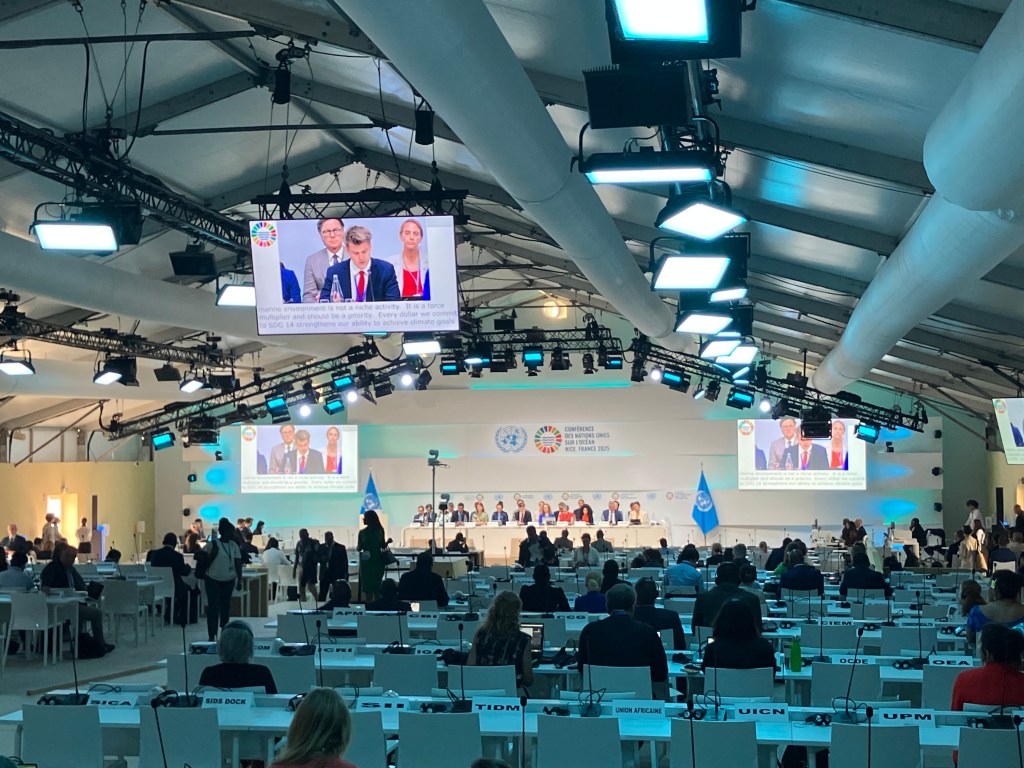
The overarching aim of the conference was to accelerate global action for protecting the ocean and ensuring the sustainable use of marine resources, in alignment with Sustainable Development Goal 14. This was to be achieved through enhanced political commitment, strengthened partnerships, and concrete actions, articulated in the Nice Ocean Action Plan and the accompanying political declaration negotiated in New York.
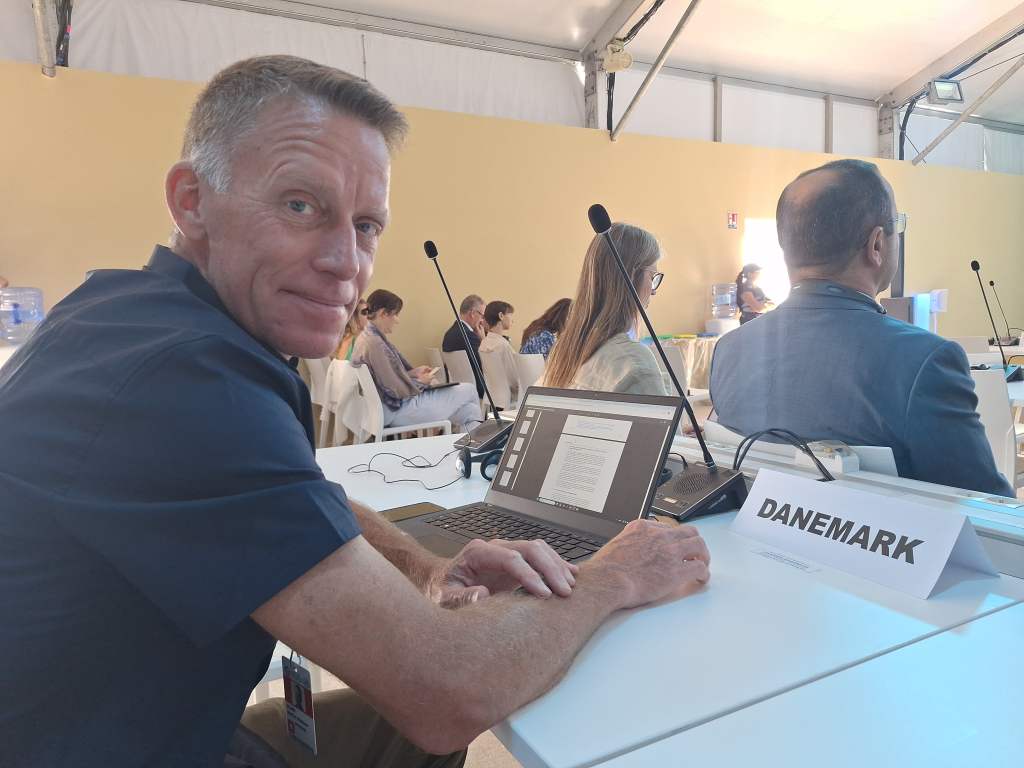
The ObsSea4Clim project was actively represented throughout the week, contributing to several debates, side events, and presentations. Among others, Karina von Schuckmann (Mercator Ocean International) discussed the role of observations and data infrastructures in ocean prediction systems; Sabrina Speich (École Normale Supérieure) presented insights on the science-based development of the Rolling Review of Requirements at the One Ocean Science Congress; and Steffen Olsen (Danish Meteorological Institute) discussed priorities for the UN Ocean Decade in the forum of National Committees. The conference provided an excellent opportunity to connect with the global ocean science community and engage directly with stakeholders influential in shaping ocean policy and practice.
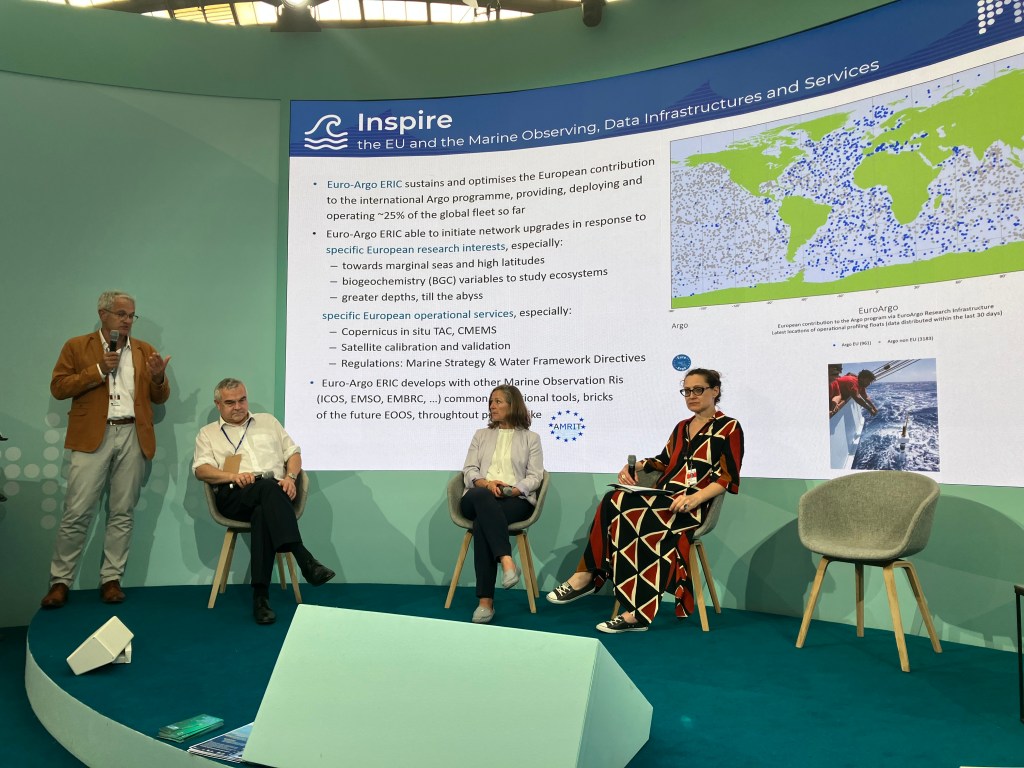
Although the conference itself is not widely regarded as a major success – with the final political declaration offering limited ambition and few new initiatives, commitments, or financial contributions – there were nonetheless important signals relevant to ObsSea4Clim. Notably, the urgency to strengthen ocean observation capacity has been recognized among EU leaders, and there was a growing consensus that the climate crisis, ocean health, and biodiversity loss must be tackled as interconnected challenges, rather than in isolation.
Reflecting on this year’s UNOC3, Steffen commented that:
“ObsSea4Clim focuses on advancing ocean indicators for climate and assessments. Together with our sister projects – BioEcoOcean and BioGeoSea, the work is spanning ecology, biology and ocean chemistry. As such, our projects are an important contribution from the EU to tackle the identified needs for interconnected work and holistic approaches to ocean observation”.
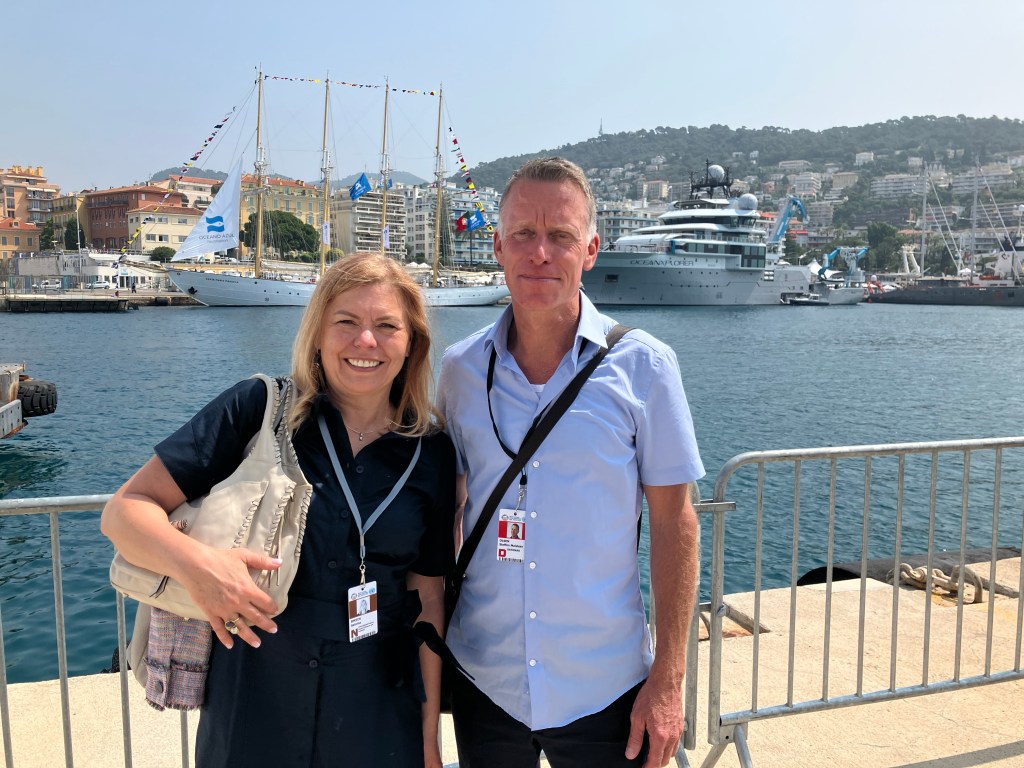
UNOC3 marked the third UN Ocean Conference, following previous editions in New York (2017) and Lisbon (2022)—and while its overall impact may have been limited, it offered valuable moments of engagement, collaboration, and forward-looking dialogue for projects like ObsSea4Clim.
 ObsSea4Clim